
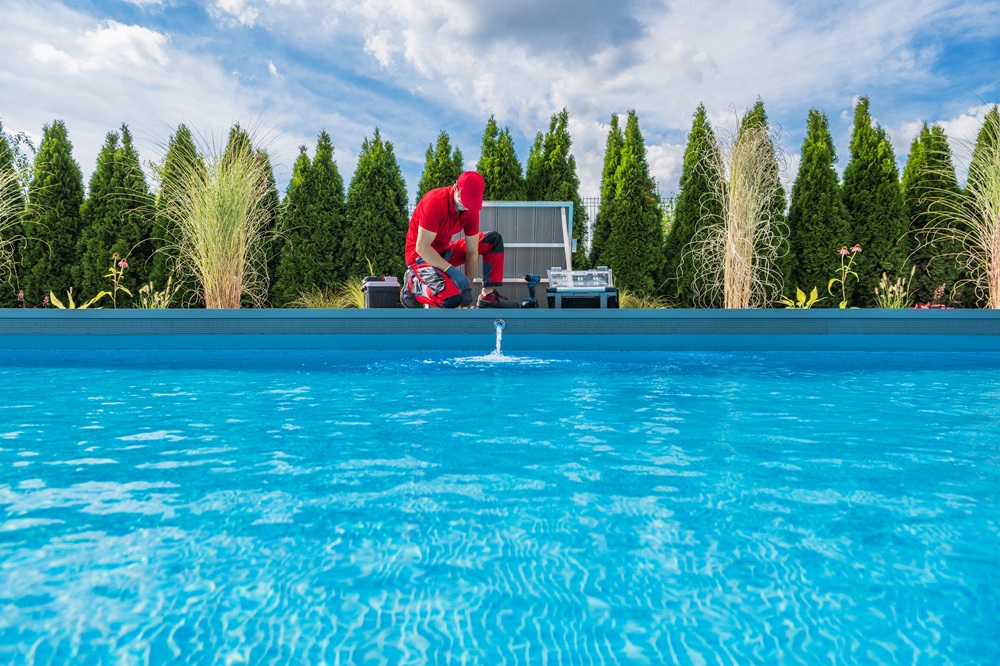
If you own a pool, you know how rewarding it can be to have your own backyard escape. But keeping your pool in great condition takes time, effort, and attention to detail. That’s where professional pool service comes in. Whether you’re scheduling weekly cleanings or seasonal maintenance, hiring professionals ensures your pool stays clean, balanced, and fully operational all year long.
At Arapahoe Pool, we believe that pool care should be simple for homeowners. When you know what to expect from a professional service visit, it’s easier to understand the value of consistent care and how it protects your investment. Here’s a detailed look at what happens during a typical pool service visit and why each step matters.
Routine Pool Cleaning and Maintenance
Every professional pool service visit begins with a thorough cleaning. Keeping your pool free from debris and organic material is essential for water clarity, equipment performance, and swimmer comfort.
During a standard cleaning visit, your technician will:
- Skim the surface to remove leaves, insects, and floating debris
- Brush the walls, steps, and tile lines to prevent algae buildup and calcium deposits
- Vacuum the pool floor to remove dirt and sediment
- Empty the skimmer and pump baskets to ensure proper water flow
These tasks might seem small, but neglecting them can lead to murky water, clogged filters, and increased strain on your circulation system. Regular cleaning helps your water stay crystal clear and reduces the need for expensive chemical treatments later on.
For Denver-area homeowners, frequent cleaning is especially important. Colorado’s changing weather patterns bring wind, dust, and pollen that can quickly dirty your pool. Professional technicians understand these seasonal factors and adjust their cleaning methods accordingly.
Water Chemistry Testing and Balancing
One of the most important parts of a professional pool service visit is water testing and chemical balancing. Proper water chemistry keeps your pool safe and prevents costly damage to surfaces and equipment.
During each visit, your technician will test:
- pH levels: Measures acidity or alkalinity of the water
- Total alkalinity: Helps stabilize pH and prevent rapid swings
- Calcium hardness: Ensures water is neither too soft nor too hard, protecting plaster and metal components
- Chlorine or sanitizer levels: Keeps the water clean and free of bacteria or algae
After testing, the technician will add any necessary chemicals to restore balance. They might use chlorine, bromine, shock treatments, algaecide, or stabilizers depending on your pool’s needs.
Balanced water is critical for your pool’s health. If pH levels are too low, the water can corrode metal fixtures and etch plaster surfaces. If it’s too high, calcium deposits and cloudy water can occur. A professional ensures your water remains perfectly balanced for both comfort and protection.
In Colorado’s high-altitude climate, water chemistry can shift quickly due to sun exposure and evaporation. That’s why consistent testing by a trained professional is so valuable.
Equipment Inspection and Function Check
Your pool’s filtration and circulation system is its heart and lungs. Pumps, filters, heaters, and chlorinators all work together to keep the water clean and moving. During every service visit, a technician inspects each component to confirm it’s working efficiently.
This includes:
- Checking the pool pump for leaks, unusual noises, or low pressure
- Inspecting the filter (cartridge, DE, or sand) for cleanliness and proper flow
- Examining the heater to ensure correct operation and no blockages
- Confirming chlorinator or salt system performance
- Inspecting valves and plumbing connections for leaks or cracks
By identifying issues early, professionals can prevent minor wear from turning into costly repairs. For example, a small drip from a pump seal might not seem urgent, but left untreated it can lead to motor failure. Routine inspections help extend the life of your equipment and save you money over time.
Technicians also track the pressure gauge on your filter. If it’s higher than normal, that indicates it’s time for a backwash or filter cleaning. Consistent monitoring keeps your system running smoothly and efficiently.
Filter Cleaning and Maintenance
Your filter is one of the most important pieces of equipment in your pool system. It traps dirt, debris, and tiny particles that make the water cloudy. During a professional service visit, your technician will clean or backwash the filter as needed.
- Cartridge filters are removed, rinsed, and inspected for tears.
- DE filters (diatomaceous earth) are backwashed, then recharged with fresh DE powder.
- Sand filters are backwashed to remove trapped contaminants.
Regular filter maintenance prevents strain on your pump and ensures that the water continues circulating properly. Over time, filters can become clogged, forcing your system to work harder and consume more energy. Cleaning them regularly not only keeps your pool clear but also reduces energy costs.
Checking Water Levels and Refilling if Needed
A healthy pool needs the right water level for its systems to function correctly. If the water is too low, the pump can take in air, leading to loss of prime or even motor damage. If it’s too high, skimmers can’t pull debris effectively.
During your service visit, the technician checks the water level and adjusts it if necessary. They may add water using your hose or let you know if your pool is losing water faster than normal, which could indicate a potential leak.
Maintaining the correct water level also helps balance your chemicals more consistently. It’s one of the small details that makes a big difference in overall pool performance.
Visual Inspection for Leaks and Damage
Leaks can be tricky to detect, but they can cause significant damage if ignored. A professional technician inspects around the pool deck, equipment pad, and fittings for signs of leaks. They look for damp soil, puddles, cracks, or air bubbles in the system.
Even a small, slow leak can lead to wasted water, higher utility bills, and potential damage to your pool’s structure. By catching these early, you avoid major repair costs later. If a leak is suspected, the technician may recommend a specialized leak detection service to pinpoint the exact source.
Brushing and Tile Line Cleaning
Brushing is more than cosmetic. It helps prevent algae growth and removes the fine layer of dirt that can cling to plaster or tile. Technicians use long-handled brushes to scrub the walls, steps, and waterline. This keeps surfaces smooth and prevents scale buildup.
The tile line is particularly important because it’s where oils, sunscreen, and debris often collect. Regular brushing keeps tiles clean and prevents discoloration. This attention to detail keeps your pool looking inviting and well cared for.
Seasonal Maintenance and Equipment Preparation
Depending on the time of year, a professional pool service visit may include seasonal adjustments. In spring, technicians prepare pools for reopening after winter. This includes removing covers, reconnecting equipment, testing systems, and shocking the pool for startup.
In fall, technicians focus on winterization tasks. They lower the water level, blow out the lines, add winterizing chemicals, and securely cover the pool to prevent freeze damage.
Colorado’s freeze-thaw cycles can be harsh on pool systems, so seasonal maintenance is essential. Professional care ensures your pool is protected during cold months and ready to use when warm weather returns.
Cleaning Skimmers and Return Jets
Skimmers and return jets are vital for circulation. Technicians empty skimmer baskets each visit to keep debris from clogging lines. They also inspect return jets to make sure water is flowing properly back into the pool.
Good circulation helps distribute chemicals evenly and prevents stagnant water. This reduces the chance of algae growth and keeps your pool water consistently clean and clear.
Reviewing System Efficiency and Recommendations
A great pool service company doesn’t just clean your pool; they also help you make informed decisions about your system. During your visit, your technician may discuss upgrades or adjustments that can save you money and improve performance.
For instance, they might recommend switching to a variable-speed pump for energy savings, upgrading to a cartridge filter for easier maintenance, or installing an automatic pool cover to reduce evaporation and heating costs.
These recommendations are based on the technician’s expertise and the specific needs of your pool. Over time, these improvements can make your system more efficient and your maintenance costs lower.
Communication and Reporting
After each visit, your pool service provider should communicate clearly about the work performed. At Arapahoe Pool, we provide a summary of what was done, any issues identified, and recommendations for next steps.
This might include notes about water chemistry adjustments, filter cleaning, or minor repairs that need attention. Transparent reporting helps homeowners stay informed and confident that their pool is being properly cared for.
How Often Should You Schedule Professional Pool Service?
The frequency of service depends on how often you use your pool, the time of year, and your surroundings. For most Denver-area homeowners, weekly or bi-weekly service provides the best results. Regular visits prevent buildup, balance chemicals consistently, and ensure your system operates at peak efficiency.
If you have a spa, a lot of trees nearby, or frequent guests, weekly service is strongly recommended. Seasonal visits for openings and closings should always be scheduled to ensure your system transitions safely between warm and cold months.
Why Professional Service Is Worth It
Many pool owners try to manage maintenance themselves, but it takes time, knowledge, and the right tools. A professional technician not only handles the physical work but also understands how to keep your pool balanced and efficient.
By hiring professionals, you avoid common problems like over-chlorination, chemical imbalances, and equipment wear. You also free up your weekends to enjoy your pool instead of cleaning it. The long-term savings in repairs, water usage, and chemical costs often outweigh the service fee itself.
Professional maintenance is also about consistency. Your pool stays ready to swim, your equipment lasts longer, and you get peace of mind knowing experts are watching out for potential issues.
Simplify Pool Ownership with Arapahoe Pool
A professional pool service visit is more than a cleaning. It’s a complete health check for your pool, ensuring that water chemistry, equipment, and surfaces are all working together in harmony. From routine cleaning and testing to equipment inspection and seasonal adjustments, every detail matters when it comes to protecting your investment.
At Arapahoe Pool, we take pride in offering reliable, thorough pool maintenance for Denver-area homeowners. Our technicians are trained to spot issues early, balance your water perfectly, and keep your system running at peak performance.
If you want to spend more time enjoying your pool and less time maintaining it, let Arapahoe Pool take care of the hard work. Contact us today to schedule your professional pool service visit and experience the difference expert care can make.